

How to Safely Do 2-Way and 3-Way Link Exchanges in 2025
Link exchanges are still widely used in 2025. Yet without a proper structure, they can harm your site’s ranking instead of helping it.
Many website owners continue to exchange links, but few do it correctly. Whether you’re using a simple 2-way method or a safer 3-way link exchange, the risk lies in looking unnatural to search engines.
This guide explains how to trade links safely using methods that still work. You’ll learn how 3-way link exchanges reduce footprint risks, what Google says about these strategies, and how to stay compliant with modern SEO best practices.
What Are 2-Way and 3-Way Link Exchanges?
A 2-way link exchange happens when two websites agree to link to each other. It’s a direct swap! Site A links to Site B, and Site B links back to Site A. This type of exchange is also known as a reciprocal link.
A 3-way link exchange involves three websites. Instead of a direct swap, the links are passed around in a loop. This structure helps avoid obvious patterns that search engines may flag.
Done correctly, both methods can help increase search engine rankings. But the key is to make the link profile appear natural and relevant.
How a Three-Way Link Exchange Works With Sites A, B, and C
Let’s say you manage Site A. You agree to exchange links with Site B, but instead of linking directly, you link to Site C. Then, Site B links back to you (Site A). This creates a triangle of links, making the exchange less detectable.
This approach spreads the link equity across multiple websites, reducing the risk of being flagged for reciprocal linking. It’s a common method used in modern SEO to maintain link diversity and avoid direct footprints.
Are Link Exchanges Still Effective for SEO in 2025?
Yes, link exchanges can still influence your site’s ranking if done carefully. Search engines like Google continue to view backlinks as a trust signal. However, how those links are earned makes all the difference.
Swapping links with other websites works best when the connection is relevant. For example, two websites in the same niche sharing useful content may gain mutual benefit from an exchange.
That said, link exchanges must look natural. Repeating the same pattern across many websites or using low-quality sources increases the risk of a penalty. When done responsibly, exchanging links remains a valid part of a broader link-building strategy.
How Google Views Link Schemes and Reciprocal Links
Google has made its position on link schemes clear. If links are exchanged purely to manipulate search rankings, they may be flagged as part of a link scheme.
This includes excessive link exchanges, or links that appear on irrelevant or low-quality websites. Google’s algorithms can detect patterns like direct reciprocal linking or unnatural linking structures.
However, not all reciprocal links are bad. Google expects that some websites link to each other naturally. For example, partnerships, citations, and guest posts often result in mutual links without raising red flags.
The key is context. If links offer real value to users and appear on relevant sites, they’re less likely to be penalised. Avoiding spammy patterns is what separates safe link building from risky link schemes.
Step-by-Step Guide to Safe Link Swapping
Link swapping can be done safely, but structure and tracking are key. Whether you’re using a 2-way or a 3-way link exchange, following the right process reduces risk.
Start by identifying relevant websites in your niche. Look for trusted sites with decent domain authority and real organic traffic. Avoid websites that only exist for exchanging links.
Once you’ve found potential partners, agree on the structure that works best; direct or ABC-style.
Structuring ABC Link Exchanges Without Penalty
An ABC link exchange uses three sites. You link to Site B, Site B links to Site C, and Site C links back to you. This circular structure makes it harder for search engines to detect the swap.
Avoid obvious patterns. Don’t link from homepages or use partner pages exclusively. Always link to useful content that adds value to readers.
Include context around the link and avoid using exact-match anchor text repeatedly. Keeping the link relevant and natural is the safest path.
Tools and Tracking Tips for SEO-Safe Trades
Use tracking tools to monitor outgoing and incoming links. Keep a spreadsheet with the partner domains, link placement URLs, anchor text, and dates.
Check your partners’ sites regularly. If a link gets dropped or nofollowed, reach out. Tools like Ahrefs, Semrush, or LinkSwap’s own dashboard can help spot changes.
Tracking also helps avoid excessive link exchanges. Overdoing it with the same few sites creates a visible pattern, which Google may penalise.
Guest Post Exchanges vs Direct Link Swaps
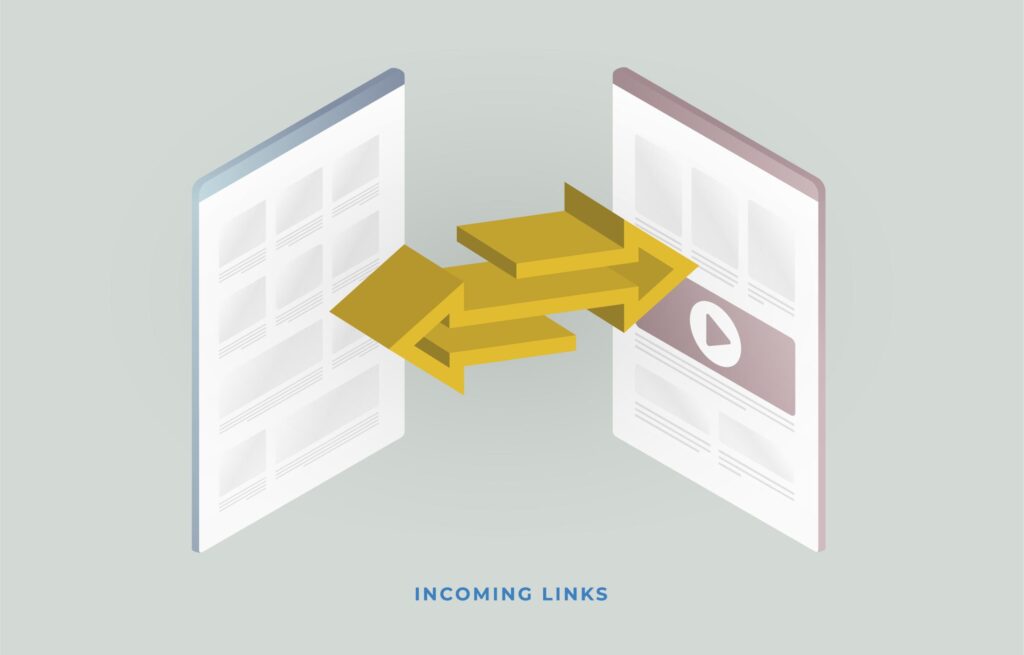
Guest post exchanges and direct swaps are both common in link building, but they carry different levels of risk.
A direct link exchange is straightforward; two sites trade backlinks. This is easy to manage, but can look unnatural if done repeatedly or between unrelated websites.
A guest post exchange involves publishing articles on each other’s sites, with backlinks placed within the content. This method is safer when the post adds value and the link is relevant.
In 2025, guest post exchanges remain the preferred option. They provide quality links that support content relevance, offer context, and can improve search engine rankings without raising flags.
For best results, avoid thin content or keyword stuffing. Focus on useful articles that serve the reader first, and the link second.
See Related: Link Exchange vs Guest Posting
What to Avoid: Common Link Exchange Mistakes
Some link exchanges can harm your site more than help it. The most common mistakes include trading with unrelated sites, overusing exact-match anchor text, and placing links on low-quality pages.
Link exchanges must happen naturally. If search engines suspect manipulation, your site could lose rankings or face manual action.
Be selective about the websites you work with. Avoid pages overloaded with outbound links or built purely for SEO purposes.
Signs of Spammy or Excessive Link Exchanges
Watch for these red flags:
- Every page has a link swap section or “partners” list
- Links are unrelated to the content or industry
- Too many exchanges with the same group of sites
- Irregular spikes in inbound or outbound links
These patterns signal excessive link exchanges and may draw unwanted attention from search engines.
Focus on exchanging links with sites that share your audience and offer something useful. If it feels forced, it probably is.
How to Scale Link Building Without Triggering Google Penalties
Scaling link exchanges safely requires planning. Rather than repeating the same structure, vary your methods and spread your efforts across multiple websites.
Use both 2-way and 3-way link exchanges, guest post swaps, and unlinked brand mentions. A diverse link-building profile looks more natural and builds trust with search engines.
Maintain a tracker with details on all outgoing links, site links, anchor text, and partner domains. Rotate your exchanges across various sites to avoid detectable patterns.
Avoid building partner networks just for links. Each link should exist for a real reason, to guide users to helpful content, not to manipulate search engine rankings.
The goal is to create quality backlinks that fit naturally into your overall content marketing strategy.
FAQs
Are link exchanges legal?
Yes. Link exchanges are legal, but legality isn’t the issue; compliance with Google’s Webmaster Guidelines is. If done responsibly, they’re fine. If used to manipulate rankings without relevance or value, they may lead to penalties.
What is the difference between a reciprocal link and a one-way link?
A reciprocal link is when two websites link to each other. A one-way link is when only one site links out. One-way links are harder to earn but are often considered more natural and trusted by search engines.
Do backlinks still matter in 2025?
Yes. Backlinks remain a key ranking factor. While search engines are better at spotting manipulation, a strong backlink profile from trusted, relevant sites still improves search results visibility.
How do I swap backlinks?
Start by finding relevant websites in your niche. Reach out with a clear offer and suggest a method: direct, guest post, or 3-way link exchange. Always keep the user experience and link placement in mind.
Can I exchange links with a competitor?
You can, but proceed with caution. Linking to a direct competitor may send traffic away from your own site. If the partnership benefits both audiences and the content supports it, it may still work.
Final Thoughts
Link exchanges still work in 2025. But only when done with care. Whether you’re managing 2-way or 3-way link exchanges, the structure, context, and tracking all matter.
Search engines continue to reward links that look natural and serve a real purpose. The risks come from doing it the wrong way, using poor sites, repeating patterns, or chasing quick results.
That’s where Link Swap makes a difference.
Our platform removes the guesswork. You get matched with relevant partners, manage 2-way or ABC link trades, and track your link placements in one secure dashboard. No outreach, no cold emails, and no wasted hours.
If you want a smarter, safer way to build backlinks, join Link Swap today.