
7 Common Link Building Mistakes That Hurt Rankings
Link building remains essential to any successful SEO strategy. But one mistake can undermine months of work.
The biggest link-building mistakes often stem from poor planning, low-quality sources, or overused tactics. Search engines now assess context, intent, and relevance before rewarding a backlink.
This guide highlights the most common link building mistakes, why they damage your search engine rankings, and how to avoid them. Whether you’re running a link-building campaign or vetting new partners, these are the building mistakes to avoid.
1. Building Links From Irrelevant Sites
One of the most common link-building mistakes is securing links from unrelated or off-topic domains.
Search engines analyse topical relevance. If you’re building links from sites in the wrong niche, the value of those inbound links drops significantly.
Such links confuse algorithms and can weaken your link profile. They may even signal attempts to manipulate search results, which violates search engine guidelines.
Avoid building links from unrelated directories, generic blogs, or low-quality sites with mixed topics. Focus instead on relevant backlinks from trusted sources within your industry.
2. Ignoring Link Velocity and Sudden Spikes
Link velocity refers to how quickly you gain backlinks. Sudden spikes in link volume can look suspicious to search engines.
When link-building efforts generate too many links in a short time, algorithms may assume you’re trying to manipulate rankings. This can harm SEO progress or trigger filters.
Natural link growth tends to be steady and tied to genuine activity like content promotion or brand visibility. A sudden jump from bulk outreach or automated trades stands out.
Track your link velocity and aim for consistent, sustainable growth. This helps maintain a healthy, natural backlink profile.
3. Using Exact Match Anchor Text Excessively
Anchor text helps search engines understand the context of a link. But repeating exact match anchor text too often creates problems.
Search engines view excessive repetition as an attempt to manipulate rankings. It may trigger filters or manual actions, especially if the same phrase appears across multiple inbound links.
A natural backlink profile includes a mix of branded, partial match, and generic anchors. This balance signals organic linking patterns and protects your SEO efforts.
Avoid forcing exact match keywords into every link. Prioritise natural phrasing that fits the surrounding content.
4. Participating in Link Schemes (including Paid Links & Excessive Exchanges)
Paid links and large-scale link exchanges may seem effective, but they violate search engine guidelines.
These link-building tactics often involve low-quality sites, irrelevant content, or poor link placement. Search engines flag such links as manipulative, risking penalties and drops in search results.
Some link schemes include private blog networks (PBNs), bulk reciprocal trades, or offers to sell links on random sites. These may provide short-term gains but often lead to long-term harm.
Avoid relying on such links. Focus on building relationships and creating link-worthy content that attracts relevant backlinks naturally.
5. Overdoing Reciprocal Link Exchanges
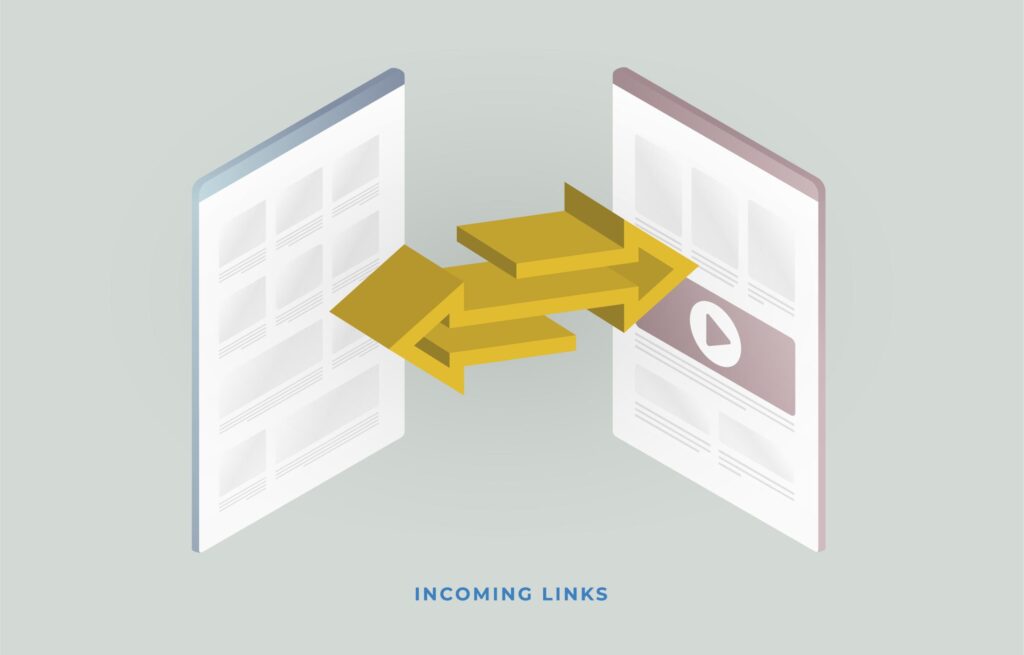
Exchanging links between two sites is a common practice. But doing this too often, or without relevance, becomes risky.
Search engines can detect patterns in reciprocal linking. If many links point back and forth without context, they may be flagged as artificial.
This type of link-building mistake can weaken your link profile and reduce the value of otherwise good links. It also signals a lack of organic authority.
To avoid problems, limit direct swaps. Use 3-way exchanges or platforms that support natural, relevant linking between vetted partners.
6. Not Monitoring or Disavowing Toxic Backlinks
Toxic backlinks come from spammy, irrelevant, or hacked sites. Left unchecked, they can damage your link profile and hurt rankings.
Search engines may associate your site with low-quality sources if you do not manage these links. This can reduce trust, impact search engine rankings, or even trigger penalties.
Regularly audit your backlinks using tools that highlight spam score, source quality, and link behaviour. If harmful links appear, use the disavow tool to prevent them from affecting your SEO efforts.
Active monitoring protects your backlink profile and supports long-term link-building success.
7. Focusing Only on Dofollow Links
Many marketers target only dofollow links, believing they hold all the value. This is a common link-building mistake.
Nofollow links can still support SEO. They diversify your link profile, reduce risk, and bring referral traffic. Ignoring them limits link sources and may signal unnatural linking patterns.
A balanced link profile includes both dofollow and nofollow backlinks. These mimic natural linking behaviour and support long-term growth.
Avoid filtering out nofollow links entirely. Instead, assess link quality, context, and the linked page’s relevance.
Frequently Asked Questions
What are the most common link-building mistakes to avoid?
The most common link-building mistakes include:
- Building links from irrelevant sites
- Overusing exact match anchor text
- Ignoring toxic backlinks
- Buying links or joining link schemes
- Prioritising quantity over quality
These mistakes can damage your link profile and hurt your search engine rankings.
What risks come from not vetting your link partners?
Failing to vet link partners increases the risk of harmful links. These may come from spammy blogs, low-quality directories, or private blog networks. Such links can lower your site’s credibility and trigger penalties. Always check domain authority, spam score, traffic, and niche relevance before agreeing to any link swap.
What are the red flags of using PBNs or paid links?
Red flags include:
- Sites with low-quality content or identical layouts
- Pages filled with outbound links unrelated to the topic
- No real traffic or engagement metrics
- High spam scores or suspicious backlink profiles
Private blog networks and paid links may offer quick gains, but usually violate search engine guidelines. These links often do more harm than good.
Why is buying links considered risky in modern SEO?
Buying links manipulates search rankings and breaks search engine rules. If detected, this can lead to algorithmic downgrades or manual penalties. Paid links also tend to come from low-quality or irrelevant sites. These harm your link-building efforts instead of helping your SEO strategy.
How can broken links affect your site’s rankings?
Broken links damage user experience and reduce SEO value. Search engines view them as signs of poor site maintenance. If external sites link to your broken pages, the link juice is lost. This weakens your inbound link profile and may hurt search engine rankings. Fixing broken links supports better crawling, improves internal links, and helps preserve authority.
How does domain authority relate to link-building success?
Domain authority estimates how likely a site is to rank. Links from sites with high domain authority tend to carry more SEO value. However, relevance matters as much as authority. A lower authority site in your niche can offer more benefits than a high-DA site with unrelated content.
Final Thoughts: Avoid Mistakes, Build Smarter
Link building remains a powerful part of any SEO strategy. But making the same building mistakes as everyone else can stall your SEO efforts or trigger penalties.
Avoid common link-building mistakes by:
- Choosing relevant backlinks
- Tracking link velocity
- Avoiding harmful links
- Using a diverse anchor profile
- Focusing on quality over volume
Smarter link building starts with trusted partners. Link Swap helps you match with verified, relevant sites, no cold outreach, no wasted time. With swipe-to-match simplicity and AI-powered vetting, you can build high-quality backlinks without the risk.